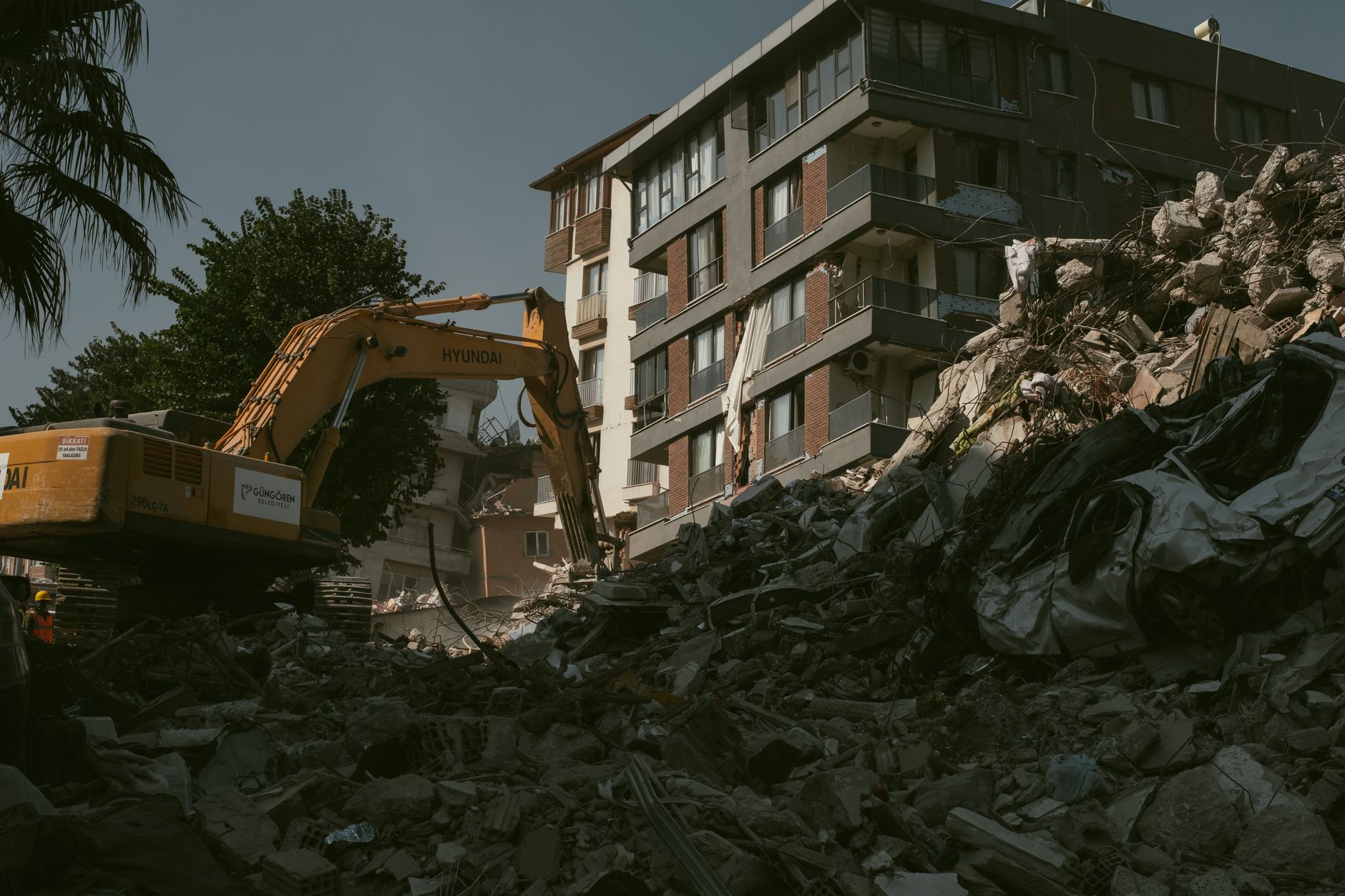
Predict Next Earthquake: Is It the Best Proven Method?
Scientists can predict the next earthquake, offering hope for improved safety measures and preparedness in vulnerable regions. This groundbreaking research could change how we respond to seismic threats.
Understanding Earthquake Prediction
Understanding earthquake prediction is crucial for mitigating the risks associated with seismic events. While scientists have made significant strides in identifying patterns that precede earthquakes, accurately predicting the exact timing and location remains a challenge. Various methods have been developed to assess earthquake probabilities, focusing on regions known for tectonic activity.
One of the key approaches in predicting the next earthquake involves the study of historical data. By analyzing past seismic events, researchers can identify specific fault lines and assess their activity levels. This information helps in determining which areas are more likely to experience future earthquakes.
In addition to historical analysis, scientists utilize advanced technologies such as:
- Seismographs: Instruments that detect and record ground motion, providing data on seismic activity.
- GPS technology: Used to measure ground displacement, helping to monitor tectonic movements.
- Satellite imagery: Assists in observing changes in the Earth’s crust that may indicate stress accumulation.
Despite these advancements, it is important to note that accurately predicting the next earthquake is still an evolving field. While methods may improve, the inherent unpredictability of seismic events poses ongoing challenges for scientists. Understanding the limitations of current techniques is essential for realistic expectations regarding earthquake prediction.
How Scientists Make Predictions
Researchers have developed several methods to predict the next earthquake, focusing on identifying patterns and assessing risks in seismic activity. These methods involve a combination of geological studies, statistical analysis, and modeling techniques, which help scientists gain insights into potential earthquake locations and magnitudes.
One primary approach is the examination of historical earthquake data. By analyzing past seismic events, scientists can identify trends and recurrence intervals. This information allows them to estimate the likelihood of future earthquakes in specific regions. Another tool in their arsenal is the use of GPS technology, which monitors ground movement and strain accumulation along fault lines. This real-time data can indicate an increased risk of an imminent earthquake.
Additionally, scientists employ seismic hazard assessments to evaluate the potential impact of earthquakes in different areas. These assessments consider various factors, such as soil composition, population density, and infrastructure resilience, to create detailed maps of earthquake risk.
While these predictions can provide valuable insights, it is essential to note that predicting the exact timing and magnitude of an earthquake remains a challenge. As research advances, scientists hope to refine their techniques further, ultimately improving their ability to predict the next earthquake and mitigate its effects on communities.
The Importance of Early Warning Systems
As the frequency of seismic activity increases, the importance of early warning systems cannot be overstated. These systems are designed to provide crucial alerts seconds before an earthquake strikes, potentially saving countless lives and reducing property damage.
Early warning systems utilize a network of sensors to detect the initial seismic waves generated by an earthquake. By analyzing data in real-time, these systems can predict the arrival of more damaging waves, offering communities a brief window to take protective actions.
While predicting the exact moment of an earthquake remains a challenge, advancements in technology and data analysis have improved the ability to predict where the next earthquake may occur. This information is essential for urban planning, infrastructure development, and emergency preparedness.
Some key benefits of early warning systems include:
- Evacuation opportunities: Alerts can enable people to evacuate buildings and move to safer areas.
- Infrastructure protection: Alerts can facilitate automated responses to safeguard critical infrastructure, such as public transportation systems.
- Public awareness: Increased knowledge about seismic risks can lead to better preparedness in communities.
In summary, while scientists strive to predict the next earthquake with precision, early warning systems represent a vital tool in mitigating the impact of seismic events on society.
Technological Advances in Seismology
In recent years, technological advances in seismology have significantly improved our ability to predict the next earthquake. These innovations have not only enhanced our understanding of seismic activity but also provided new tools for researchers and emergency response teams.
One of the most noteworthy developments is the deployment of real-time monitoring systems. These systems utilize a network of sensors that can detect seismic waves and analyze data instantaneously. As a result, scientists can identify patterns that may indicate an impending earthquake.
Additionally, the integration of machine learning algorithms into seismic research has revolutionized data analysis. By processing vast amounts of historical earthquake data, these algorithms can identify trends and anomalies, allowing for more accurate predictions. This method enables scientists to predict where the next devastating earthquake will hit with a greater degree of confidence.
Another significant advancement is the use of satellite technology, which provides a comprehensive view of tectonic movements. This technology allows researchers to monitor ground deformation and stress accumulation in fault lines, offering crucial insights into potential earthquake zones.
As technology continues to evolve, the potential to predict the next earthquake with increased accuracy grows. While challenges remain, these advances represent a promising step forward in seismology and disaster preparedness.
Challenges in Earthquake Forecasting
Despite significant advancements in seismology, predicting the next earthquake remains fraught with challenges. Earthquake forecasting is inherently complex due to the unpredictable nature of tectonic activity and the multitude of factors that influence seismic events.
One major challenge is the variability in geological conditions across different regions. Scientists often struggle to find reliable patterns in seismic activity because:
- Each fault line behaves differently, making it difficult to generalize findings.
- Historical data may be sparse in some areas, limiting the ability to analyze trends.
- Earthquakes can occur with little to no warning, complicating prediction efforts.
Additionally, the tools and technologies currently available, while advanced, are not foolproof. For example, while satellite imagery and ground sensors provide valuable data, they cannot always accurately forecast when and where the next earthquake will strike.
Moreover, the psychological aspect of predicting an earthquake poses its own set of challenges. People may become desensitized to warnings or overly anxious about potential disasters, leading to a lack of preparedness in the event of an actual earthquake.
In conclusion, while scientists can predict the likelihood of an earthquake occurring in a given area, pinpointing the exact timing and magnitude remains elusive, highlighting the ongoing need for research in this critical area.
Future of Earthquake Prediction
The future of earthquake prediction is a topic of intense research and debate in the scientific community. While advancements in technology and seismology have improved our understanding of seismic activity, accurately predicting the next earthquake remains a significant challenge. Scientists continue to explore various methods to enhance predictive capabilities, but the question of whether these methods can be deemed reliable persists.
One promising avenue is the integration of big data analytics with traditional seismological techniques. By analyzing historical earthquake data alongside real-time seismic measurements, researchers aim to identify patterns that could lead to more accurate predictions. Machine learning models are increasingly being employed to sift through vast amounts of data, potentially revealing insights that were previously overlooked.
However, there are still considerable challenges to overcome. Geological complexity, the unpredictable nature of tectonic movements, and the influence of various environmental factors complicate the predictive process. As scientists strive to improve methods to predict the next earthquake, the importance of public education on preparedness cannot be overstated.
In conclusion, while the future holds promise for more accurate earthquake predictions, the journey is fraught with difficulties. Ongoing research and collaboration across disciplines will be crucial in developing effective strategies to enhance our ability to predict seismic events and mitigate their impact on communities.
Many scientists argue that to effectively predict next earthquake events, a combination of advanced technology and historical data analysis is essential. However, others believe that the current methods used to predict next earthquake occurrences are still too unreliable to be deemed the best proven method.
Photo by Doruk Aksel Anıl on Pexels