AI models for coding: Microsoft’s Smart New Launches
AI models for coding are becoming increasingly essential in today’s tech landscape. Microsoft has unveiled new AI models aimed at enhancing coding and cybersecurity, positioning itself against competitors like OpenAI and Anthropic.
Introduction to Microsoft’s AI Models
Microsoft has recently unveiled a series of innovative AI models for coding and cybersecurity, aiming to enhance software development processes and secure digital environments. These advancements are part of Microsoft’s broader strategy to compete with leading AI firms such as OpenAI and Anthropic. By integrating these AI models into their existing platforms, the tech giant seeks to streamline coding tasks, making them more efficient for developers.
Among the key features of these new AI models are:
- Enhanced code generation: The models can quickly generate code snippets based on natural language prompts, reducing development time.
- Improved debugging: They offer real-time suggestions for fixing errors, allowing developers to focus on more complex tasks.
- Security integration: The models assist in identifying potential vulnerabilities in code, enhancing overall cybersecurity measures.
These AI models for coding signify a significant leap forward in the intersection of artificial intelligence and software development.
How AI Models Improve Coding
AI models for coding are transforming the way developers approach software creation. By leveraging advanced algorithms and machine learning, these models streamline coding processes and enhance productivity. Here are a few key benefits:
- Increased Efficiency: AI models can automate repetitive tasks, allowing developers to focus on more complex problem-solving.
- Code Suggestions: They provide real-time suggestions and auto-completions, reducing the time spent on writing code from scratch.
- Error Reduction: With built-in checks, these models help identify and fix bugs before they escalate, ensuring higher code quality.
- Learning Opportunities: Developers can learn from AI-generated code snippets, improving their skills and knowledge in various programming languages.
In summary, the integration of AI models for coding is set to revolutionize the software development landscape, making it more accessible and efficient for developers of all skill levels.
Cybersecurity Solutions with AI
Microsoft is reinforcing its commitment to cybersecurity by integrating advanced AI models for coding into its security solutions. These innovations aim to enhance threat detection and response capabilities, making systems more resilient against cyberattacks.
The new AI models leverage machine learning to analyze vast amounts of data in real-time, identifying vulnerabilities and potential threats before they can be exploited. This proactive approach allows organizations to mitigate risks effectively.
Key features of Microsoft’s cybersecurity solutions include:
- Automated threat intelligence: Utilizing AI to gather and analyze data on emerging threats.
- Real-time monitoring: Continuous surveillance of systems to detect anomalies.
- Incident response automation: Streamlining the response process to security breaches.
As cyber threats evolve, Microsoft’s integration of AI models for coding represents a significant step forward in safeguarding digital environments.
Comparing Microsoft to OpenAI and Anthropic
Microsoft’s recent launch of AI models for coding positions the company as a formidable competitor against established players like OpenAI and Anthropic. These new systems are designed to enhance developer productivity and tackle complex coding challenges. Unlike OpenAI’s models, which have gained widespread recognition for their versatility, Microsoft’s offerings are tailored specifically for coding environments, ensuring that developers receive contextually relevant suggestions.
Similarly, Anthropic has focused on creating AI that aligns with human intentions, promoting safety and reliability. However, Microsoft’s approach emphasizes integration with existing tools such as Visual Studio, making it easier for developers to adopt these AI models for coding without significant disruption to their workflows.
As these companies innovate, the race to dominate the AI landscape intensifies, with each vying to offer the most effective solutions for coding and beyond. The advancements in AI models not only promise efficiency but also redefine the future of software development.
The Future of AI in Technology
The landscape of technology is rapidly evolving, with AI models for coding leading the charge into a future where programming becomes more accessible and efficient. As companies like Microsoft unveil their innovative AI solutions, the potential for these models to transform the development process becomes increasingly evident.
One of the most significant impacts of AI in technology is its ability to automate repetitive coding tasks, allowing developers to focus on more complex problems. Furthermore, these models are designed to learn from vast datasets, improving their performance over time and adapting to the specific needs of users.
In addition to enhancing productivity, AI models also promise to bolster cybersecurity measures. By analyzing patterns and identifying anomalies, they can proactively address potential vulnerabilities, ensuring a safer digital environment for businesses and consumers alike.
As we look ahead, the integration of AI into coding practices is set to redefine the technological landscape, ushering in a new era of innovation.
User Reactions to Microsoft’s Launch
User reactions to Microsoft’s recent launches of AI models for coding have been overwhelmingly positive. Many developers are excited about the potential for these innovative tools to streamline their workflows and enhance productivity. Users have taken to social media to share their experiences, with comments highlighting the improved coding efficiency and the models’ ability to understand complex queries.
Some users noted that the AI models for coding have significantly reduced the time spent on debugging, allowing them to focus more on creative problem-solving. Others expressed enthusiasm over the user-friendly interface and integration capabilities with existing development environments.
However, there are also concerns regarding reliance on AI for coding tasks. A few developers pointed out that while these models are helpful, they should complement, rather than replace, human expertise. Overall, the feedback reflects a cautious optimism about the future of AI in software development.
Conclusion: The Impact of AI Models
As Microsoft continues to innovate with its AI models for coding, the impact on the development landscape is becoming increasingly apparent. These advancements not only enhance productivity for developers but also improve the overall quality of software produced. By integrating AI into coding practices, Microsoft is setting a new standard that challenges traditional methodologies.
The introduction of these AI models assists in streamlining processes, allowing developers to focus on more complex tasks while the AI handles routine coding challenges. Additionally, the enhanced cybersecurity features embedded within these models provide an added layer of protection for users, addressing concerns that have become paramount in today’s digital age.
As the industry observes Microsoft’s trajectory, it is clear that the fusion of AI with coding will shape the future of technology. The ongoing competition with entities like OpenAI and Anthropic underscores the significance of these developments, marking a pivotal moment in software engineering.
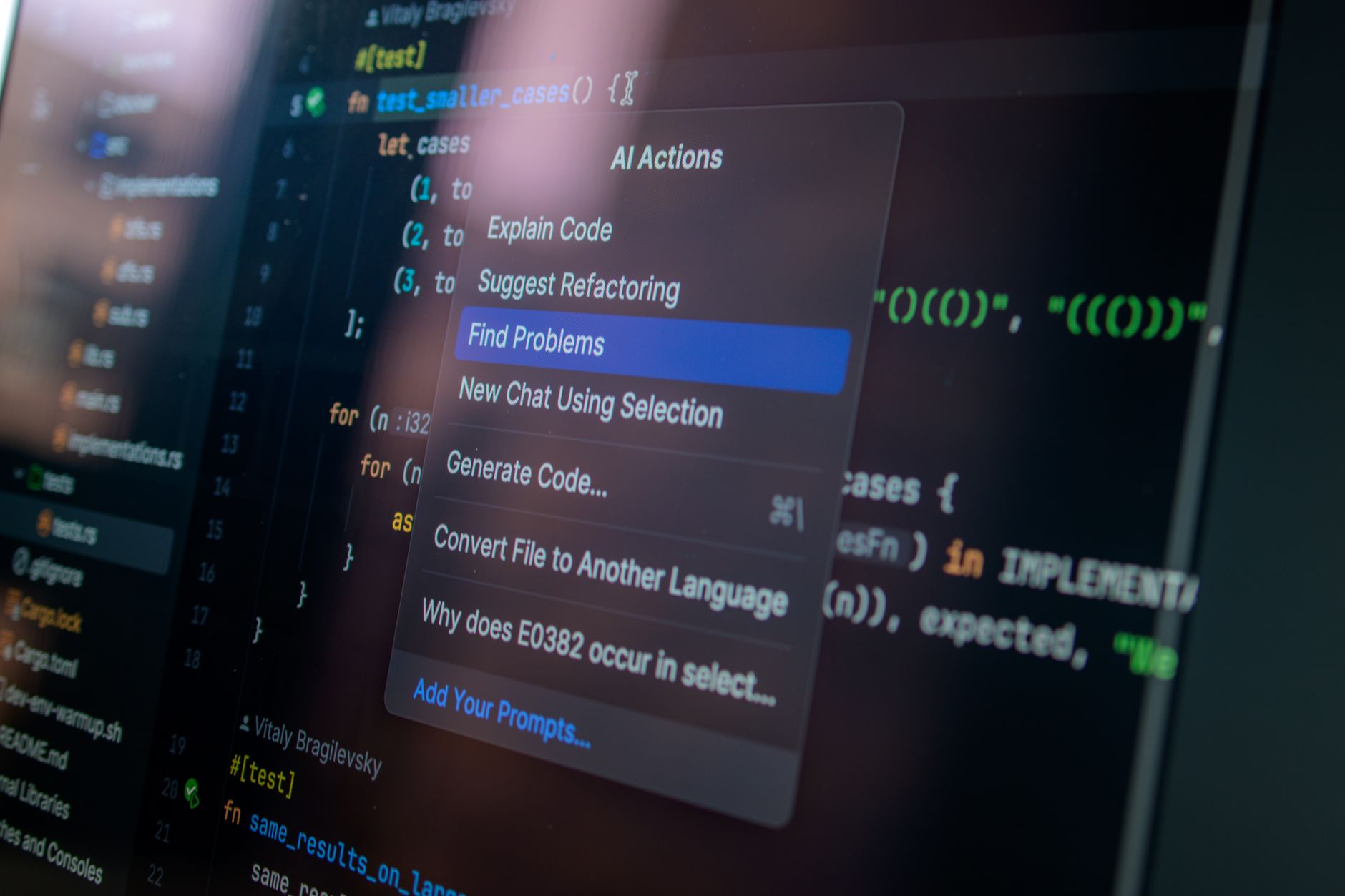
Photo by Daniil Komov on Pexels
Where this came from
You might also like
PlayStation Network outage: Worst impact on gamers today · Xbox Black Friday Sale: Best Digital Deals for Gamers · Game of Thrones Creators’ Sci-Fi Thriller: A Proven Return