Samsung Apple Foldable iPhone: The Worst Reaction Revealed
Samsung Apple foldable iPhone news reveals how Samsung is responding to Apple’s latest innovation. Their reaction has been described as ‘reheating our leftovers,’ indicating a lack of concern.
Samsung’s Reaction to Apple’s Foldable iPhone
In a surprising turn of events, Samsung has responded to the recent announcement of Apple’s foldable iPhone. The tech giant, known for its own line of foldable devices, made headlines by downplaying the significance of Apple’s innovation. Samsung’s representatives referred to the new foldable iPhone as “reheating our leftovers,” suggesting that Apple is merely following in their footsteps.
Critics have pointed out that Samsung has been a pioneer in the foldable phone market, having launched several models, including the Galaxy Z Fold and Z Flip. However, Apple’s entrance into this space, particularly with the foldable iPhone, could potentially alter the competitive landscape.
As the rivalry between these two tech behemoths continues, industry experts are keen to see how Samsung will adapt its strategy in light of Apple’s foldable iPhone. Some believe that Samsung’s dismissive remarks may be an attempt to maintain its market position, while others argue it could indicate a sense of insecurity about their current offerings.
- Samsung’s stance: “Reheating our leftovers”
- Comparison with Samsung’s existing foldable devices
- Implications for future competition
What Does This Mean for Consumers?
The recent announcement of the Samsung Apple foldable iPhone has sparked significant discussions among consumers and tech enthusiasts alike. As major competitors in the smartphone market, both companies have a legacy of innovation, but their reactions to each other often dictate market trends and consumer expectations.
For consumers, this rivalry means:
- Increased Choices: The introduction of a foldable iPhone expands the options available to users, allowing them to select devices that better suit their lifestyle and preferences.
- Enhanced Features: As both companies strive to outdo each other, consumers can anticipate cutting-edge technology and improved functionalities in their devices.
- Price Competition: The entry of Apple into the foldable market may lead to competitive pricing strategies, potentially making foldable smartphones more accessible.
- Innovative Designs: With Samsung’s established expertise in foldable technology, the anticipated designs from Apple could push the boundaries of smartphone aesthetics and usability.
Ultimately, the Samsung Apple foldable iPhone may reshape the landscape of mobile devices, providing consumers with more innovative choices than ever before.
The Evolution of Foldable Phones
The smartphone industry has witnessed a significant transformation over the past few years, particularly with the introduction of foldable devices. The evolution of foldable phones has been marked by several key milestones that have shaped consumer expectations and technological advancements.
Initially, Samsung took the lead with its Galaxy Fold, which showcased the potential of flexible displays and multi-tasking capabilities. This innovation set the stage for other manufacturers to explore similar concepts. Apple, traditionally known for its rigid designs, has now entered the foldable market with its highly anticipated foldable iPhone. Analysts are eager to see how this new device will compare to existing models from Samsung.
As competition heats up, several factors will influence the success of the Samsung Apple foldable iPhone. These include:
- Design Quality: A robust and user-friendly design will be crucial.
- Software Optimization: Seamless integration with existing apps is essential.
- Price Point: Affordability remains a significant concern for consumers.
The evolution of foldable phones reflects a growing trend that may redefine the future of mobile technology.
Comparing Samsung and Apple’s Strategies
In the competitive landscape of smartphones, the launch of the Samsung Apple foldable iPhone has ignited a fierce debate over the strategies of both tech giants. Samsung, known for its early adoption of foldable technology, has positioned itself as a pioneer in this niche. The company’s approach has been to innovate continuously, introducing a range of foldable devices that cater to diverse consumer needs.
In contrast, Apple has taken a more measured approach, emphasizing refinement over rapid expansion. Their strategy focuses on delivering a seamless user experience, ensuring that each new feature is polished before it’s released to the public. This difference in strategy has led to contrasting consumer perceptions.
- Samsung’s Strategy: Rapid innovation and a wide variety of foldable devices.
- Apple’s Strategy: Focus on user experience and quality over quantity.
The reaction from Samsung regarding the Samsung Apple foldable iPhone, referring to it as “rehashing leftovers,” suggests a defensive posture, indicating that they feel secure in their existing technology. As the market evolves, it remains to be seen how each company’s approach will impact their long-term success.
Industry Experts Weigh In
As the tech world buzzes over Apple’s entry into the foldable phone market, industry experts are weighing in on the implications of the new Samsung Apple foldable iPhone. Analysts suggest that this move could reshape consumer expectations and industry standards.
Dr. Emily Chen, a technology analyst, stated, “Apple’s foray into foldable devices signals a serious challenge to Samsung’s dominance in this space. They have a loyal customer base that may be swayed by innovative features.”
Conversely, Mark Thompson, a market strategist, noted the potential risks for Apple, saying, “Samsung has been refining foldable technology for years. Apple will need to deliver something exceptional to avoid backlash from early adopters.”
Experts have also highlighted the marketing aspect of this competition. “Samsung’s dismissal of Apple’s designs as ‘reheated leftovers’ may resonate with their existing customers, but it could also backfire if consumers find Apple’s offering compelling,” cautioned Lisa Brown, a branding expert.
With the stakes high, the market eagerly awaits the reactions from both companies as the launch dates approach.
Future of Foldable Technology
The future of foldable technology is in constant flux, especially with the introduction of the Samsung Apple foldable iPhone. As both companies continue to innovate, several trends are emerging that could shape the direction of the market.
First, manufacturers are focusing on durability and design. With the potential for foldable screens to become mainstream, companies are investing heavily in materials that can withstand daily wear and tear.
Second, consumer demand for versatility is growing. Users are looking for devices that can serve multiple purposes, such as combining a tablet and smartphone experience. The Samsung Apple foldable iPhone is poised to meet these expectations, potentially attracting a new segment of users.
Lastly, competition between tech giants is expected to fuel rapid advancements in technology. As Samsung and Apple push each other to innovate, consumers could benefit from improved features and lower prices.
In conclusion, the landscape of foldable technology is evolving, and the interaction between Samsung and Apple will likely determine its future trajectory.
The recent unveiling of the Samsung Apple foldable iPhone has sparked a wave of criticism from tech enthusiasts. Many have expressed disappointment over the design choices made for the Samsung Apple foldable iPhone, arguing that it fails to meet consumer expectations.
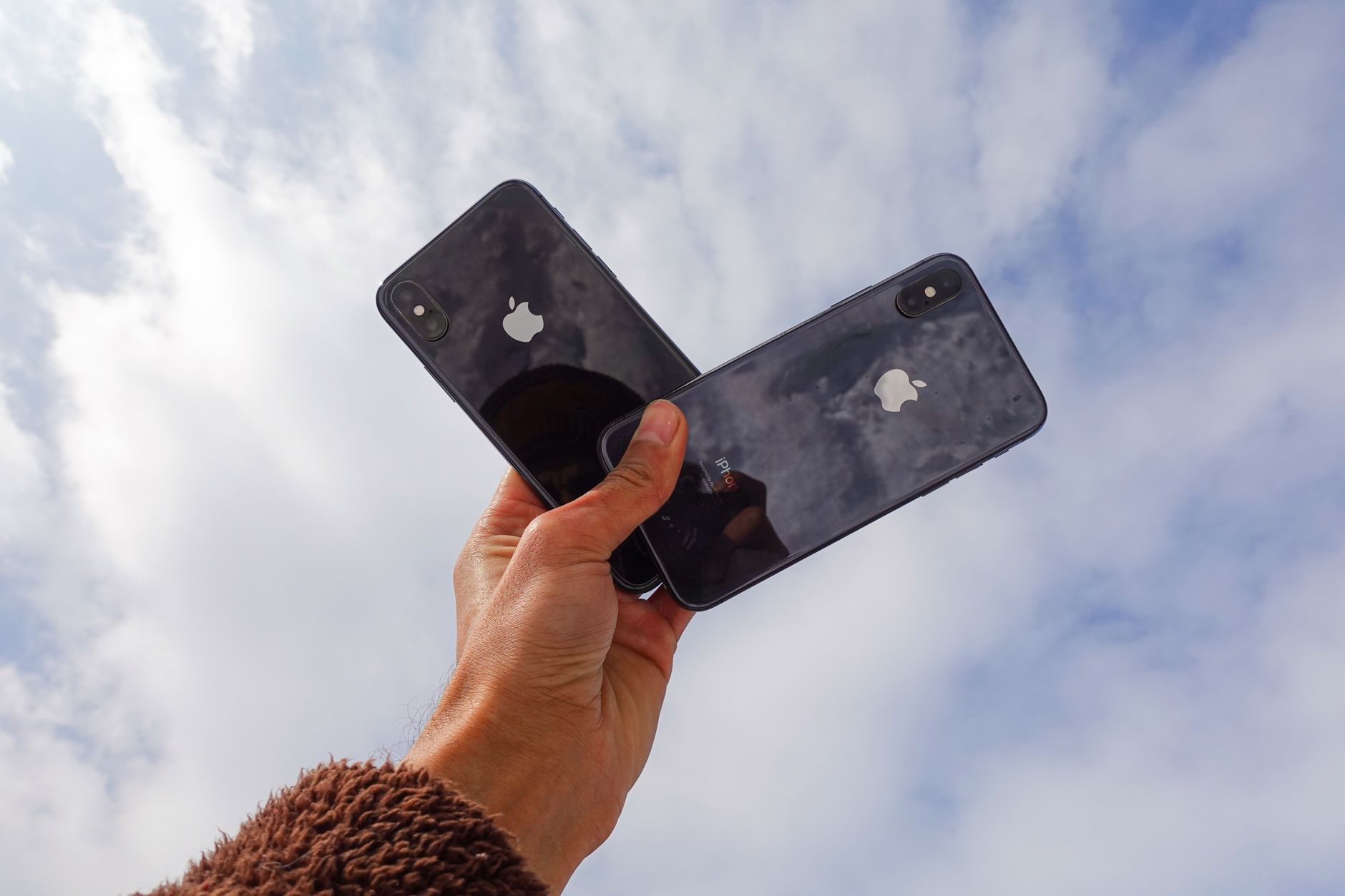
Photo by Rubaitul Azad on Pexels