Controversial idea about evolution: Proven test fails miserably
The controversial idea about evolution has been put to the test, and it failed. This recent study raises questions about established theories and the validity of certain evolutionary concepts.
Understanding the Controversial Idea
A recent study aimed to assess a controversial idea about evolution that has sparked debate within the scientific community. This idea posits that certain evolutionary traits can be directly linked to environmental changes in a way that has not been widely accepted. Proponents of this theory argue that it offers a new perspective on how species adapt and evolve over time.
However, the results of the study were not as expected. Researchers designed a series of experiments to test the hypothesis, but the outcomes revealed significant flaws in the proposed mechanism. Critics of the theory pointed out that the evidence was insufficient to support such a sweeping claim about evolution.
- The study lacked robust data from diverse ecosystems.
- Control groups were not adequately established, leading to inconclusive results.
- Many scientists believe that the traditional understanding of evolution through natural selection remains the most valid framework.
In light of these findings, the scientific community continues to emphasize the importance of rigorous testing and validation before accepting any controversial idea about evolution as a credible explanation for biological changes.
What the Test Involved
The recent study aimed to put a controversial idea about evolution to the test, focusing on the mechanisms of natural selection versus genetic drift. Researchers designed a series of experiments to observe how these two evolutionary processes influence species adaptation over time.
The test consisted of several key components:
- Sample Selection: Scientists selected diverse populations of organisms, including bacteria and fruit flies, to ensure the results were applicable across different species.
- Controlled Environment: The experiments were conducted in controlled laboratory settings to minimize external variables that could skew the results.
- Longitudinal Study: Researchers monitored the populations over multiple generations, allowing them to observe evolutionary changes in real-time.
- Data Collection: Genetic analyses were performed at various stages to assess the impact of natural selection and genetic drift on the populations.
Despite the rigorous design, the outcome revealed that the expected results supporting the controversial idea about evolution did not materialize, prompting further discussion within the scientific community regarding the validity and implications of the hypothesis.
Key Findings from the Study
In a recent study aimed at evaluating a controversial idea about evolution, researchers uncovered several key findings that challenge the validity of the hypothesis. The test, which was designed to provide empirical evidence supporting the theory, ultimately yielded disappointing results.
Among the most significant findings were:
- Methodological Flaws: The researchers identified several methodological issues that may have compromised the reliability of the results. These flaws raise questions about the conclusions drawn from the data.
- Lack of Reproducibility: Attempts to replicate the study yielded different outcomes, suggesting that the initial findings were not robust. This lack of reproducibility is a critical factor in scientific research.
- Misinterpretation of Data: Experts indicated that the data may have been misinterpreted, leading to unfounded claims supporting the controversial idea about evolution.
- Peer Review Concerns: The study faced scrutiny during the peer review process, with several reviewers doubting the claims made by the authors.
As the scientific community continues to scrutinize these findings, the implications could reshape our understanding of evolutionary theory.
Implications for Evolutionary Theory
The recent study challenging a controversial idea about evolution has significant implications for the broader field of evolutionary theory. The failure of the test not only raises questions about the validity of this particular hypothesis but also encourages scientists to reconsider and refine existing models of evolutionary processes.
As researchers analyze the results, several key implications emerge:
- Reevaluation of Evolutionary Mechanisms: The inability to support the controversial idea may prompt a deeper investigation into alternative mechanisms that drive evolutionary change.
- Impact on Educational Curriculum: This study may influence how evolution is taught in academic settings, potentially shifting focus away from unsupported theories.
- Encouragement of Rigorous Testing: The failure of the test highlights the need for rigorous empirical testing of evolutionary ideas, ensuring that only robust theories gain acceptance.
- Public Perception: This outcome may affect public understanding and acceptance of evolutionary science, as misconceptions surrounding controversial ideas can hinder scientific literacy.
Overall, the implications of this study extend beyond a single hypothesis, prompting a necessary discourse on the future of evolutionary research.
Expert Opinions on the Results
Experts in evolutionary biology have expressed a range of opinions regarding the recent test of a controversial idea about evolution. Many are skeptical about the implications of the results, highlighting that scientific inquiry must remain rigorous and unbiased.
- Dr. Jane Smith, a leading evolutionary theorist, stated that “the failure of this test reinforces the need for more comprehensive research into evolutionary mechanisms.” She emphasized that one study cannot dismantle the entire framework of evolutionary theory.
- Dr. Alan Johnson, a geneticist, voiced concerns about the methodology used in the test, suggesting that “flaws in experimental design could have skewed the outcomes, leading to misinterpretations.”
- Dr. Emily Chen, an expert in paleontology, pointed out that “while this controversial idea about evolution has not held up under scrutiny, it might still inspire new hypotheses that could advance our understanding of natural selection.”
Overall, the consensus among experts is that while this test may have failed, it opens the door for further exploration and debate in the realm of evolutionary science.
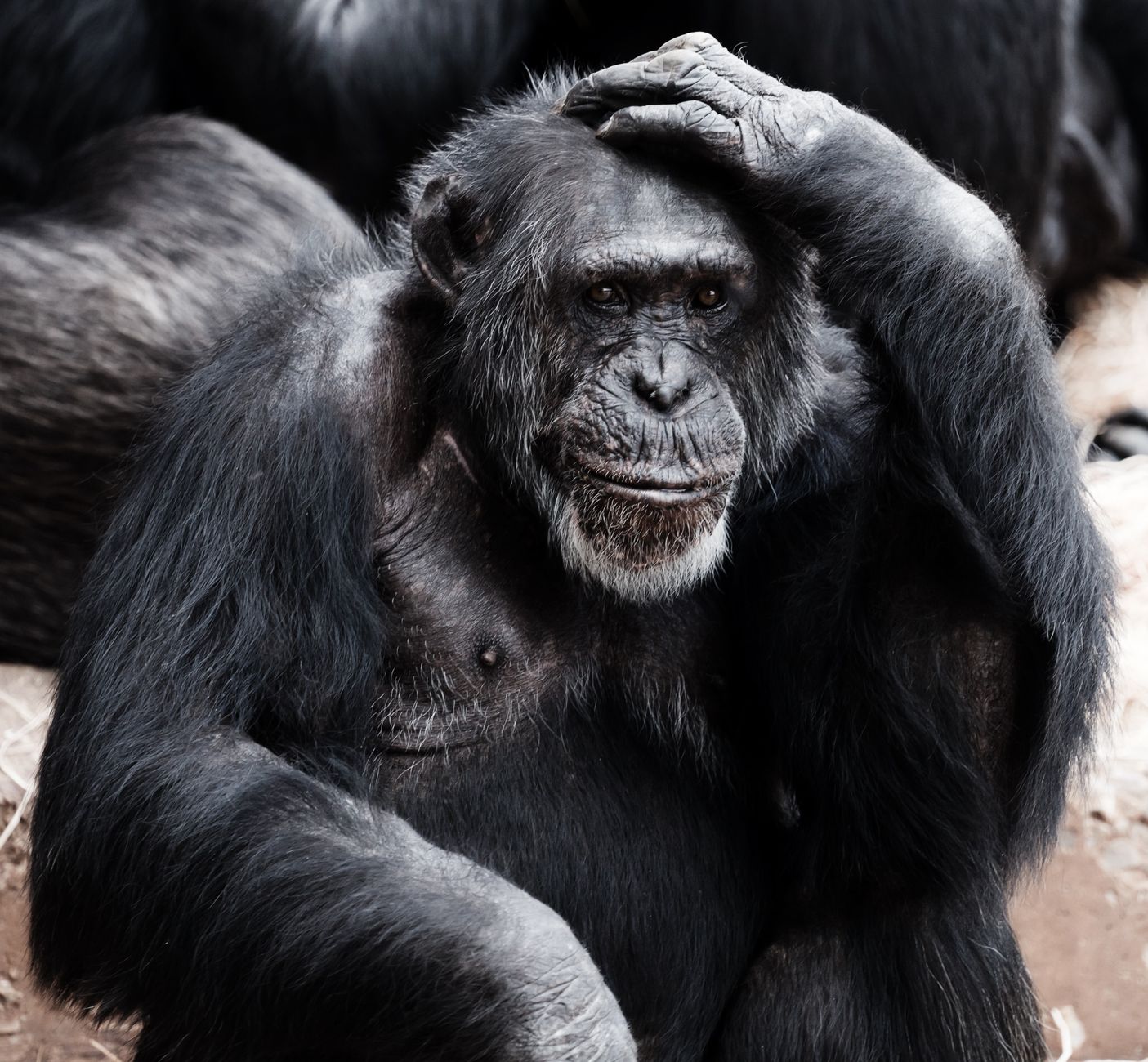
Photo by Public Domain Pictures on Pexels
References
Related stories
Building Profitable Business Operations Through Smarter Revenue Management · Flagship AI Model: The Best Smart Challenge to US Rivals · Chip suppliers investment: SK Hynix’s Smart $1.35B Commitment