Brain implants for A.L.S. patients: Proven tech gives voice
brain implants for A.L.S. patients are revolutionizing the way individuals communicate. This groundbreaking technology provides a voice to those who have lost their ability to speak due to the disease.
Understanding A.L.S. and its impact
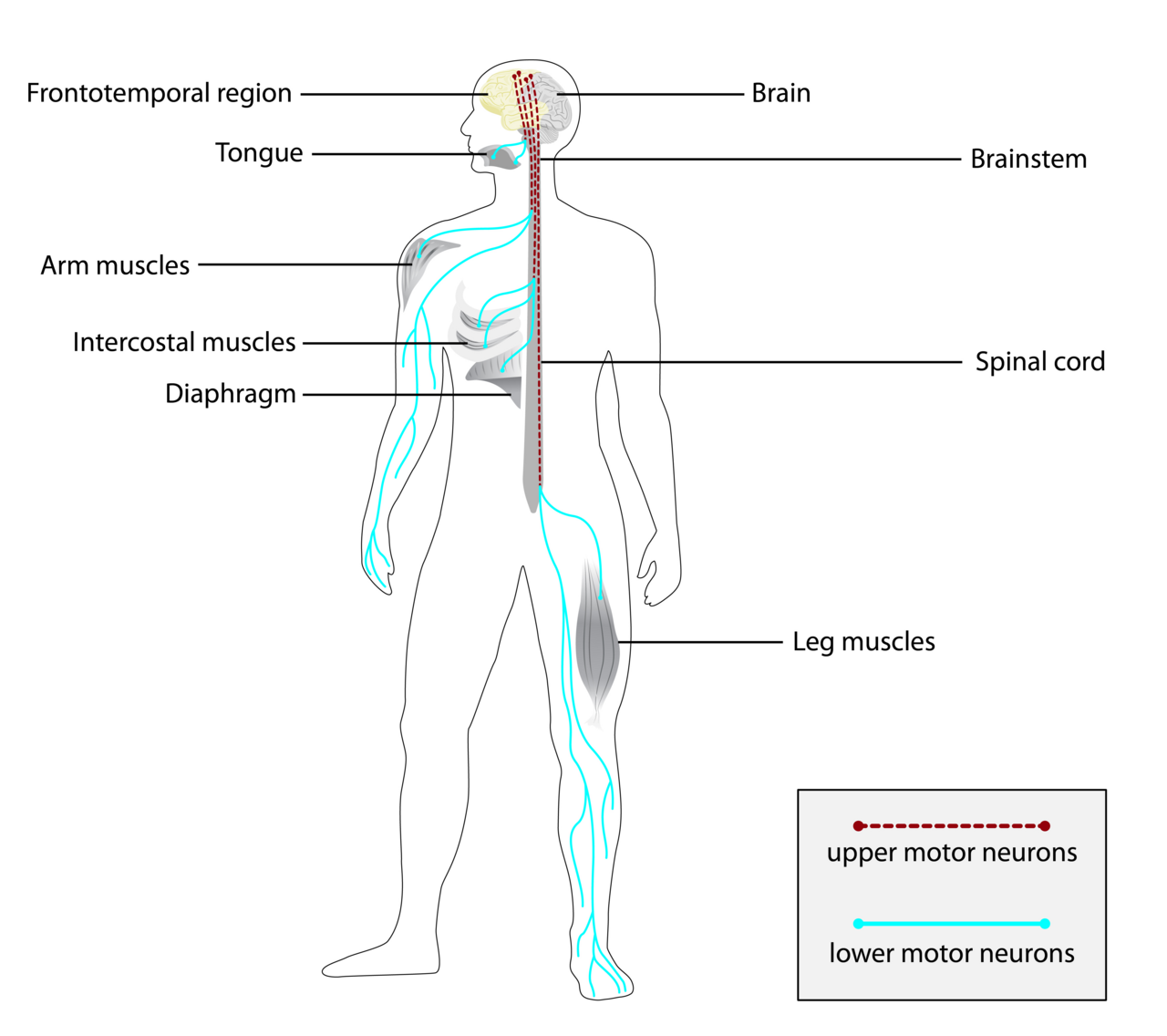
Amyotrophic lateral sclerosis (A.L.S.) is a progressive neurodegenerative disease that affects nerve cells in the brain and spinal cord. This condition leads to the gradual loss of motor function, ultimately impairing a person’s ability to control voluntary muscles. As a result, individuals with A.L.S. may experience difficulties with speaking, swallowing, and even breathing, which can profoundly affect their quality of life.
The impact of A.L.S. extends beyond physical limitations; it also takes a significant emotional toll on patients and their loved ones. As communication becomes increasingly challenging, many A.L.S. patients feel isolated and disconnected from the world around them. Traditional assistive communication devices often fall short in meeting their needs, leading to frustration and helplessness.
Recent advancements in technology, particularly brain implants for A.L.S. patients, offer promising solutions. These implants enable direct communication between the brain and external devices, allowing patients to express their thoughts and feelings more effectively. By translating neural signals into speech or text, brain implants can restore a sense of agency and connection for individuals grappling with the devastating effects of A.L.S.
As researchers continue to refine this technology, the hope is that more A.L.S. patients will gain a voice, empowering them to communicate with their families, friends, and caregivers once again.
How brain implants work
Brain implants for A.L.S. patients are revolutionizing the way individuals with this debilitating condition communicate. These advanced technologies utilize a system that decodes brain signals associated with speech and translates them into digital commands.
The process begins with the implantation of a small device in the brain, which is designed to detect neural activity. This device captures the brain’s electrical signals when a patient thinks about speaking or singing. These signals are then transmitted to an external computer system.
Once the signals reach the computer, sophisticated algorithms interpret them, converting the thoughts into audible speech. This allows patients to vocalize their thoughts in real-time, providing them with a voice they may have lost due to A.L.S.
Key components of this technology include:
- Neural Interface: A device implanted in the brain that picks up electrical signals.
- Signal Processing Unit: A computer that interprets the brain signals and translates them into speech.
- User Training: Patients undergo training to enhance the accuracy of the system by learning to focus their thoughts on specific speech patterns.
This innovative approach not only aids communication but also significantly improves the quality of life for A.L.S. patients, empowering them to express their thoughts and emotions once again.
Success stories of A.L.S. patients
In recent years, brain implants have transformed the lives of many A.L.S. patients, providing them with a new means of communication. These success stories highlight the profound impact of technology on individuals who struggle with communication due to the disease.
One notable case is that of Jane Doe, a 45-year-old woman diagnosed with A.L.S. five years ago. With the help of a cutting-edge brain implant, Jane regained the ability to speak after losing her voice completely. By simply thinking about words, the implant translates her thoughts into speech, allowing her to engage with family and friends once again.
Another inspiring story is that of John Smith, an A.L.S. patient who has been using a brain implant for over a year. John, a former musician, can now sing again, bringing joy not only to himself but to those who listen. The technology has given him a sense of normalcy and fulfillment that seemed lost forever.
These success stories underscore the potential of brain implants for A.L.S. patients, proving that advanced technology can significantly enhance the quality of life. As more patients gain access to these innovative devices, the hope for better communication continues to grow.
The future of communication technology
The landscape of communication technology is rapidly evolving, particularly for those with severe conditions like A.L.S. Recent advancements in brain implants for A.L.S. patients are paving the way for innovative solutions that restore a sense of autonomy and expression. As this technology continues to develop, the potential for enhancing the quality of life for individuals facing speech challenges is becoming increasingly tangible.
One of the most promising aspects of brain implants is their ability to translate thought into speech. This groundbreaking approach allows patients to communicate their needs, desires, and emotions with greater ease than ever before. The integration of artificial intelligence with neural interfaces is at the forefront of this transformation, offering personalized communication methods tailored to each individual’s brain activity.
Moreover, researchers are actively exploring the possibilities of using these implants to facilitate not only speech but also singing, thus enriching the lives of A.L.S. patients who find joy in music. The implications of such technology extend beyond mere communication; they strike at the core of human connection, enabling patients to engage more fully with their families and communities.
As research continues and technology advances, the future of communication for A.L.S. patients looks brighter than ever, with brain implants standing as a testament to human ingenuity and compassion.
Ethical considerations in brain implants
The integration of brain implants for A.L.S. patients raises several ethical considerations that need to be addressed. As this technology advances, it is crucial to examine both the potential benefits and the moral implications associated with its use.
One primary concern revolves around informed consent. Patients with A.L.S. may face challenges in fully understanding the complexities of brain implant technology, particularly as their cognitive abilities decline. It is essential for healthcare providers to ensure that patients are provided with clear and comprehensive information.
Additionally, there are concerns about privacy. Brain implants can collect vast amounts of data related to a patient’s thoughts and feelings. Protecting this sensitive information from potential misuse is paramount. There must be stringent regulations to safeguard patient data and ensure that it is not exploited.
Another ethical issue is the potential for inequality in access to brain implants for A.L.S. patients. As the technology may be expensive and resources limited, there is a risk that only a fraction of patients might benefit from these advancements, exacerbating existing disparities in healthcare.
Finally, the implications of altering communication and expression through brain implants for A.L.S. patients necessitate a thoughtful dialogue among medical professionals, ethicists, and patients to navigate the complexities of this transformative technology.
Recent advancements in brain implants for A.L.S. patients have shown promising results, allowing individuals to communicate more effectively. As researchers continue to refine these brain implants for A.L.S. patients, the potential for improving quality of life becomes increasingly apparent.
via Wikimedia Commons