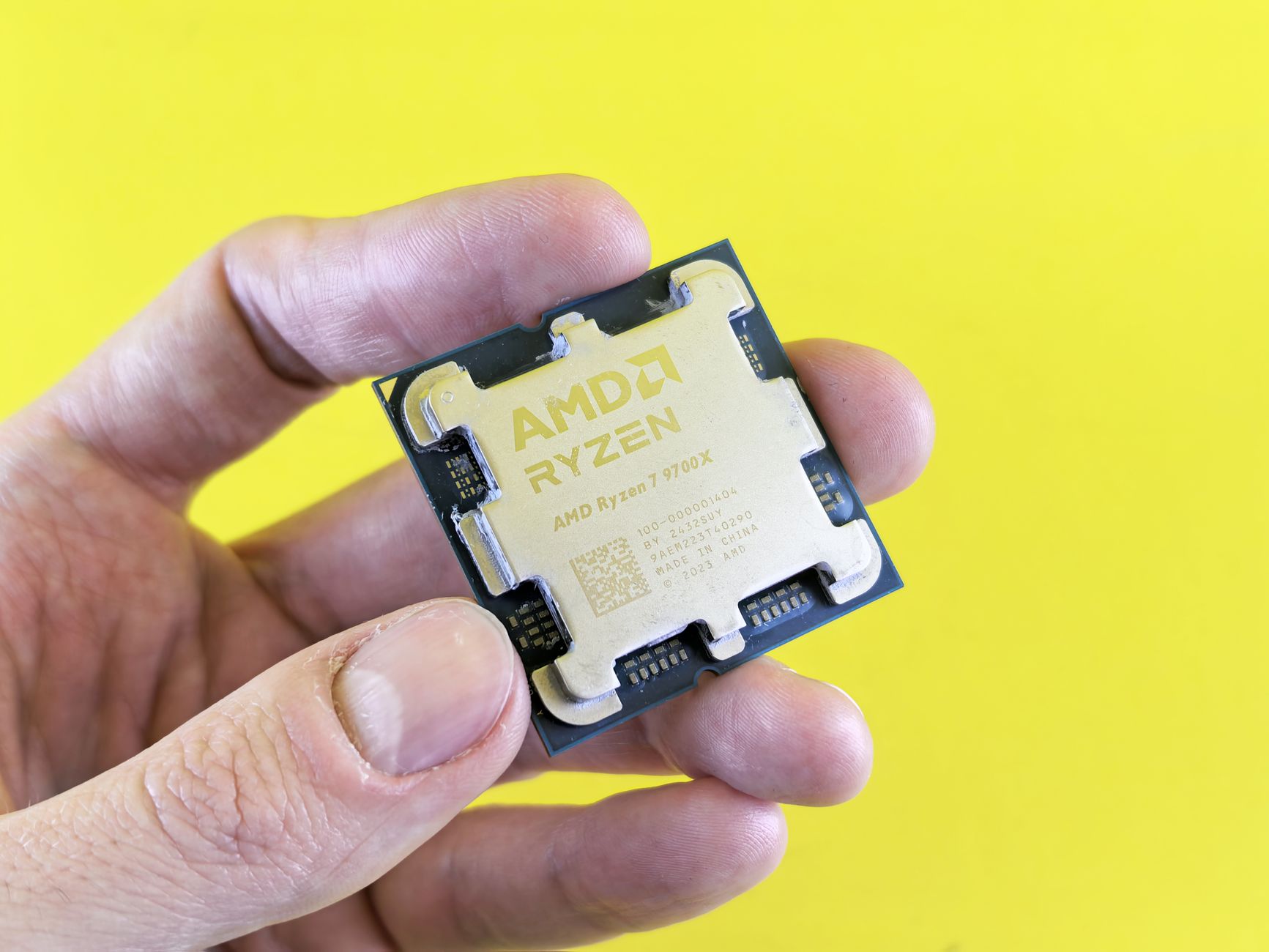
AMD XDNA 2 NPUs: Are They the Best for AI Models?
AMD XDNA 2 NPUs can now run 35B-parameter AI models through Unsloth Desktop, offering significant advancements in AI technology. This development is a game-changer for developers and researchers alike.
What are AMD XDNA 2 NPUs?
The AMD XDNA 2 NPUs represent a significant advancement in the realm of artificial intelligence processing. Designed to handle complex computations efficiently, these units are capable of managing large-scale AI models with impressive speed and accuracy.
With the latest developments, AMD XDNA 2 NPUs can now effectively run 35 billion-parameter AI models through the Unsloth Desktop platform. This breakthrough allows researchers and developers to work with more sophisticated AI applications than ever before. The architecture of the XDNA 2 NPUs has been optimized for performance, enabling them to deliver results much faster than their predecessors.
Key features of the AMD XDNA 2 NPUs include:
- High Efficiency: These NPUs are designed for energy-efficient processing, which is crucial for large AI tasks.
- Robust Scalability: They can scale to accommodate various model sizes, making them versatile for different applications.
- Enhanced Performance: With advanced algorithms, the NPUs provide superior performance metrics.
As artificial intelligence continues to evolve, the AMD XDNA 2 NPUs stand out as a compelling option for developers seeking to push the boundaries of AI model capabilities.
How do AMD XDNA 2 NPUs perform?
The performance of AMD XDNA 2 NPUs has garnered significant attention in the tech community, especially following recent advancements that allow them to run complex AI models. With the capability to handle 35B-parameter AI models through the Unsloth Desktop, these NPUs are raising the bar for computational efficiency.
Users have reported impressive results, particularly in tasks that require intensive processing power. The architecture of AMD XDNA 2 NPUs is designed to optimize machine learning algorithms, leading to quicker processing times and improved model accuracy. This is crucial for industries that rely heavily on AI, such as healthcare, finance, and autonomous vehicles.
Key factors contributing to the performance of AMD XDNA 2 NPUs include:
- Scalability: The ability to scale operations based on workload demands enhances their utility.
- Energy efficiency: Lower power consumption without sacrificing performance is a significant advantage.
- Versatility: Suitable for various applications, from deep learning to real-time data processing.
Overall, the AMD XDNA 2 NPUs may indeed be a top contender for those looking to optimize AI model performance.
Benefits of using AMD XDNA 2 NPUs
The introduction of AMD XDNA 2 NPUs has brought several advantages for AI model deployment, making them an attractive choice for developers and researchers alike. One of the primary benefits is their ability to efficiently run large-scale models, such as the recent demonstration of 35B-parameter AI models through the Unsloth Desktop. This capability allows for more complex and nuanced AI applications, driving innovation in various fields.
Additionally, AMD XDNA 2 NPUs are designed for enhanced energy efficiency, which is crucial for maintaining performance without incurring high operational costs. Their architecture optimizes processing power while minimizing power consumption, making them suitable for long-term projects.
Another significant advantage is the flexibility they offer in terms of integration with existing systems. Developers can seamlessly incorporate AMD XDNA 2 NPUs into their workflows, benefiting from the robustness and scalability they provide.
In conclusion, the AMD XDNA 2 NPUs stand out for their performance, efficiency, and adaptability, positioning them as a strong contender in the AI model landscape.
Comparing AMD XDNA 2 NPUs to competitors
When evaluating the AMD XDNA 2 NPUs, it’s essential to compare them with competing technologies in the AI landscape. Leading contenders include NVIDIA’s Tensor Cores and Google’s TPU architecture, both of which have established a strong foothold in the market.
One of the most significant advantages of AMD XDNA 2 NPUs is their architecture, which is designed specifically for running large AI models efficiently. Unlike traditional GPUs that may struggle with extensive parameter counts, AMD’s latest NPU can handle 35B-parameter AI models seamlessly, as showcased by its performance with Unsloth Desktop.
- NVIDIA Tensor Cores: Known for their optimization in deep learning tasks, they excel in training but may fall short in versatility compared to AMD’s approach.
- Google TPUs: These are tailored for large-scale machine learning but can be less accessible for smaller developers.
- AMD XDNA 2 NPUs: Their unique design allows for better flexibility and integration in various AI applications, making them a compelling choice.
Ultimately, while competitors have their strengths, the AMD XDNA 2 NPUs offer a promising combination of performance and adaptability for AI developers.
Future of AI with AMD technology
The future of artificial intelligence (AI) is poised for significant transformation with the advancements brought forth by AMD XDNA 2 NPUs. As AI models become increasingly complex, the demand for powerful computational resources is paramount. AMD’s latest NPUs are designed to meet this challenge, enabling developers to run larger and more sophisticated models, such as the newly reported 35B-parameter AI models through platforms like Unsloth Desktop.
One of the key features contributing to this capability is the efficient architecture of AMD XDNA 2 NPUs, which allows for enhanced parallel processing. This not only accelerates training times but also improves inference speeds, making it easier for businesses and researchers to implement AI solutions quickly.
Moreover, the integration of these NPUs into various applications opens new avenues for innovation across industries. From healthcare to finance, the impact of AMD’s technology could redefine how AI is utilized, providing tools that are not only powerful but also accessible. The horizon looks bright for AI development as AMD XDNA 2 NPUs pave the way for future breakthroughs.
Photo by Andrey Matveev on Pexels