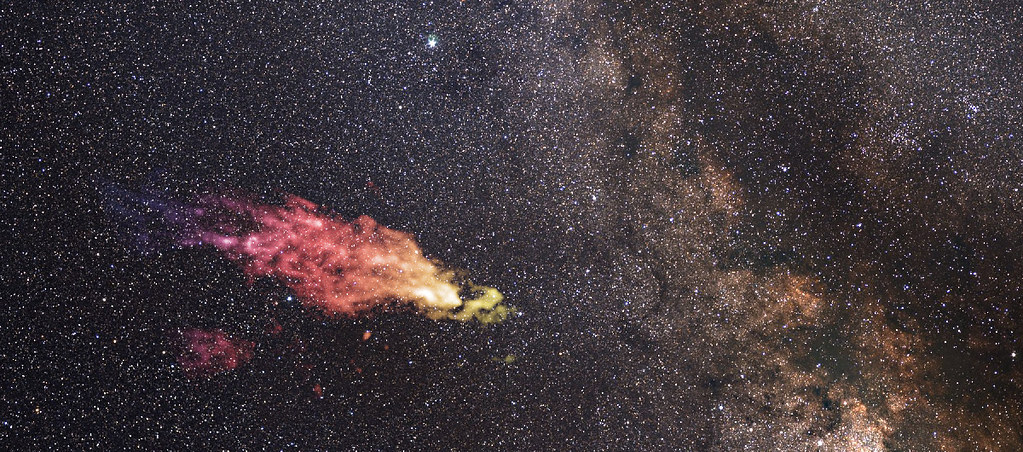
Radio waves detected: The Real Evidence of Aliens
Radio waves detected on faraway planets have sparked curiosity and debate about the possibility of alien life. Scientists are analyzing these signals for signs of intelligent communication.
What are radio waves?
Radio waves are a type of electromagnetic radiation with wavelengths in the electromagnetic spectrum longer than infrared light. They play a crucial role in various forms of communication, including television, radio, and mobile phones. Understanding radio waves is essential for interpreting signals from space, including those that lead to claims of extraterrestrial life.
These waves are generated by various natural processes, including:
- Celestial objects: Stars and galaxies can emit radio waves due to processes like nuclear fusion and magnetic activity.
- Cosmic phenomena: Events such as supernovae or pulsars produce strong radio emissions that can be detected from great distances.
- Artificial sources: Human-made devices can also emit radio waves, which aid in communication on Earth and can potentially be misinterpreted as signals from alien civilizations.
Recently, the detection of radio waves from a faraway planet has sparked interest in the scientific community. The possibility of these signals being evidence of aliens is thrilling, as researchers continue to explore the cosmos for signs of life beyond Earth. The notion that radio waves detected could indicate intelligent life challenges our understanding of the universe.
The significance of radio waves in space
The detection of radio waves from distant celestial bodies has profound implications for our understanding of the universe. These electromagnetic waves are pivotal in the study of astrophysics and the search for extraterrestrial life. They serve as a means to communicate across vast distances, potentially bridging the gap between humanity and other intelligent civilizations.
One significant aspect of radio waves is their ability to travel through the vacuum of space without losing strength. This characteristic allows scientists to receive signals from billions of light-years away, offering insights into the composition and behavior of distant planets and stars. The recent discovery of radio waves detected on a faraway planet raises the possibility that these signals might be artificial in origin, hinting at the presence of advanced life forms.
Moreover, radio waves can be used to gather information about various cosmic phenomena, including pulsars, quasars, and even black holes. Their versatility in conveying information makes them an essential tool for astronomers and researchers alike. As we continue to explore the cosmos, the significance of these mysterious signals will only grow, fueling both scientific inquiry and the imagination of humanity.
Radio waves detected on distant planets
Recent discoveries in the field of astrophysics have revealed that radio waves detected on distant planets may hold the key to understanding potential extraterrestrial life. Scientists have been monitoring various celestial bodies, and the signals they have observed are unlike anything previously encountered.
This groundbreaking research has focused on several exoplanets located in habitable zones, where conditions might support life. The characteristics of these radio waves suggest they originate from complex sources, leading experts to explore their implications thoroughly.
- Variety of Signals: The radio waves detected exhibit a range of frequencies, some resembling natural phenomena, while others present patterns that raise questions about their origin.
- Location Matters: Many of these readings come from planets situated within the Goldilocks zone, where temperatures are just right for liquid water to exist.
- Technological Advances: Improvements in radio telescope technology have enhanced our ability to capture and analyze these signals more effectively than ever before.
As researchers continue to investigate these intriguing findings, the possibility of communicating with intelligent life forms beyond Earth becomes increasingly tantalizing.
How scientists analyze these signals
To understand the implications of radio waves detected from distant sources, scientists employ a range of advanced analytical techniques. The process begins with the collection of data using sensitive radio telescopes, which can capture faint signals across vast distances. These telescopes are often equipped with powerful receivers designed to filter out background noise from cosmic activities.
Once signals are captured, researchers use signal processing algorithms to isolate potential extraterrestrial communications from other cosmic phenomena. This involves:
- Fourier Transform Analysis: A method that breaks down signals into their constituent frequencies, helping to identify patterns that may indicate artificial origin.
- Statistical Analysis: Scientists apply various statistical methods to assess the likelihood that the signals are random noise rather than structured communication.
- Comparative Studies: By comparing the detected signals with known natural radio emissions, scientists can further refine their understanding of what constitutes a potential alien signal.
The meticulous examination of these radio waves detected is crucial, as it can provide meaningful insights into the existence of intelligent life beyond our planet.
The search for alien life
The search for alien life has captivated humanity for decades, driving scientists and enthusiasts alike to explore the cosmos for signs of extraterrestrial intelligence. Recent advancements in technology have allowed researchers to detect radio waves emitted from distant galaxies, raising intriguing questions about the potential for life beyond Earth.
In their quest, scientists employ a variety of methods to listen for radio waves detected from far-off planets. These waves can carry messages or signals that may indicate the presence of intelligent beings. The detection of such signals is not merely an academic pursuit; it holds the promise of answering one of humanity’s most profound questions: Are we alone in the universe?
As researchers analyze the data collected from these signals, they remain vigilant for patterns or anomalies that could suggest artificial origins. Each discovery adds another piece to the puzzle, fostering a growing interest in the implications of finding life outside our solar system. The ongoing search is a testament to human curiosity and our relentless pursuit of knowledge, as scientists continue to push the boundaries of what is known about the universe.
Recent discoveries in astrophysics
Recent discoveries in astrophysics have revolutionized our understanding of the universe, particularly with the radio waves detected from various celestial bodies. Scientists have been exploring the cosmos with advanced technology, leading to groundbreaking findings that challenge our perception of extraterrestrial life.
One significant aspect of these discoveries involves the identification of unusual patterns in radio waves. These patterns, often seen in data collected over extended periods, have prompted researchers to consider the possibility of intelligent life beyond Earth. Some key points include:
- Unexplained signals: Certain radio waves detected do not match any known natural phenomena, raising questions about their origin.
- Technological advancements: Improvements in telescopes and signal processing have enabled scientists to detect fainter and more complex signals from distant galaxies.
- Collaboration and research: International teams are pooling resources and expertise to analyze these radio waves detected, sharing insights that could lead to significant breakthroughs.
As the search continues, these discoveries not only expand our knowledge of the universe but also ignite the imagination regarding the existence of life beyond our planet.
Public reaction to potential alien communication
The recent discovery of radio waves detected from a distant planet has ignited a wave of excitement and speculation among the public. Social media platforms are abuzz with theories and opinions, as many see this as a potential breakthrough in the search for extraterrestrial life.
Some people express skepticism, arguing that radio waves can have natural origins, such as pulsars or quasars. However, others are more optimistic. A poll conducted shortly after the announcement revealed that over 60% of respondents believe these signals could be evidence of intelligent life beyond Earth.
In online forums, users are sharing their thoughts on what these signals might mean. Key points of discussion include:
- Possible alien technology: Some theorists suggest that the patterns of the detected radio waves might indicate deliberate communication.
- Scientific implications: Enthusiasts argue that even the possibility of alien life could reshape our understanding of the universe.
- Cautionary perspective: Many emphasize the importance of waiting for more data before jumping to conclusions.
As scientists continue to analyze the signals, the public remains captivated by the possibility of a connection with otherworldly beings.
Recent studies have shown that the radio waves detected from deep space may not be of natural origin. Scientists are now analyzing these radio waves detected to determine if they could be signals from extraterrestrial civilizations.
By NASA Goddard Photo and Video via Openverse