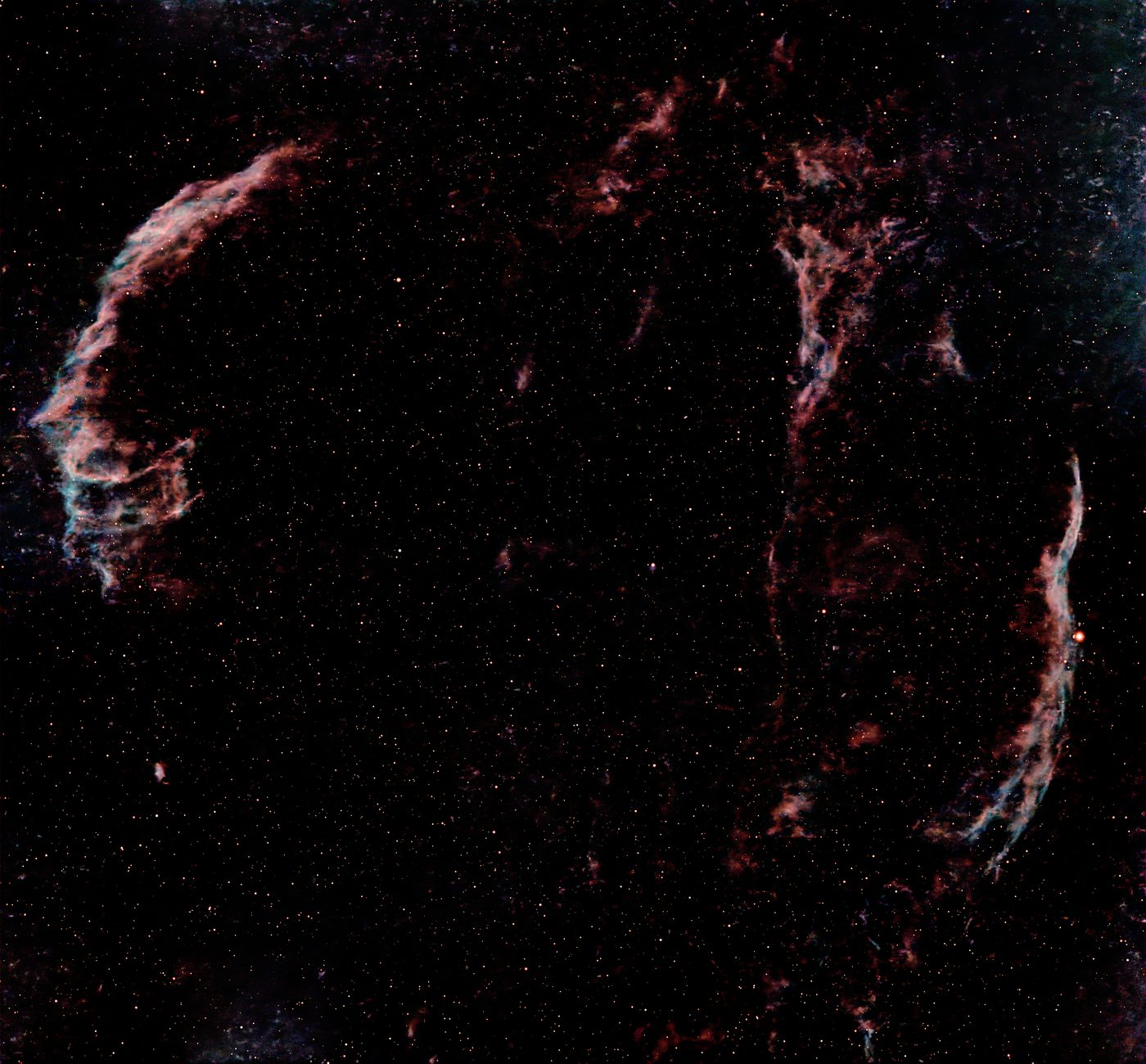
Five Supernovas: The Real Ghosts of Cosmic Explosions
Five Supernovas have captivated scientists and astronomers alike. These cosmic events provide invaluable insights into the life cycles of stars and the evolution of our universe.
What are Supernovas?
Supernovas are among the most powerful and luminous events in the universe, marking the explosive death of a star. When a massive star exhausts its nuclear fuel, it can no longer support itself against gravitational collapse. This results in a tremendous explosion that can outshine entire galaxies for a brief period. The remnants of this explosion, including neutron stars or black holes, can offer valuable insights into the life cycles of stars.
There are two primary types of supernovas: Type I and Type II. Type I supernovas occur in binary systems where one star siphons material from its companion until it reaches a critical mass, leading to a catastrophic explosion. In contrast, Type II supernovas arise from single massive stars that explode after depleting their nuclear fuel.
These cosmic events play a crucial role in the universe, dispersing heavy elements into space, which contribute to the formation of new stars and planets, making the study of five supernovas particularly significant for astrophysics.
The Science Behind Supernova Explosions
Supernova explosions are among the most powerful events in the universe, marking the death throes of massive stars. When a star exhausts its nuclear fuel, it can no longer support itself against gravitational collapse. This leads to a series of cataclysmic events that result in a supernova. The two primary types of supernovae are Type I and Type II, each driven by different mechanisms.
Type I supernovae occur in binary systems where a white dwarf accretes matter from a companion star until it reaches a critical mass, leading to a thermonuclear explosion. In contrast, Type II supernovae result from the core collapse of a massive star once it can no longer fuse elements in its core.
These incredible explosions not only outshine entire galaxies for a brief period but also play a crucial role in enriching the interstellar medium with heavy elements. Understanding five supernovas and their aftermath provides valuable insights into the lifecycle of stars and the evolution of the cosmos.
Five Supernovas That Changed Our Understanding
Throughout the history of astronomy, five supernovas have significantly altered our understanding of the universe. Each explosion has provided invaluable data, shaping theories about stellar evolution and the expansion of the cosmos.
Among these, the first notable supernova was SN 1572, observed by Tycho Brahe, which challenged the notion of an immutable night sky. Next, SN 1987A was pivotal for neutrino astronomy, marking a breakthrough in the detection of these elusive particles.
The subsequent discovery of SN 1993J offered insights into the mechanics of Type Ia supernovas, leading to the realization that such explosions could serve as standard candles for measuring cosmic distances. SN 2011fe further reinforced this concept, while SN 1054 has left a lasting mark in history, becoming the Crab Nebula and providing a vivid example of supernova remnants.
Collectively, these five supernovas have not only enriched our cosmic knowledge but also inspired generations of astronomers to explore the mysteries of the universe.
The Importance of Studying Supernovas
The study of supernovas is crucial for several reasons, as these cosmic explosions serve as a window into the universe’s most violent and transformative events. Understanding supernovas helps astronomers unravel the life cycles of stars, as well as the chemical evolution of galaxies.
One of the key reasons to study supernovas is their role in generating and distributing heavy elements throughout the universe. When these massive stars explode, they scatter materials that contribute to the formation of new stars and planets, enriching the cosmic environment.
Additionally, supernovas provide essential data for measuring cosmic distances. By observing the brightness and characteristics of these events, scientists can refine their understanding of the universe’s expansion, leading to insights into dark energy and the fate of the cosmos.
As we continue to explore the significance of five supernovas that have shaped our understanding, their implications extend far beyond mere explosions, influencing everything from astrophysics to cosmology.
How Supernovas Affect Galaxies
Supernovas play a crucial role in shaping galaxies and influencing the cosmic environment. When a star reaches the end of its life and explodes as a supernova, it releases an enormous amount of energy and material into space. This explosive event can trigger the formation of new stars and contribute to the chemical enrichment of the interstellar medium.
Additionally, the shock waves produced by supernova explosions can compress nearby gas clouds, leading to star formation. The remnants of these cosmic explosions, often referred to as the “ghosts of supernovas,” leave behind nebulae that can give rise to new stellar systems over millions of years.
Moreover, supernovas distribute heavy elements like carbon, oxygen, and iron throughout the galaxy, which are essential for creating planets and life as we know it. Understanding how five supernovas have impacted their respective galaxies enhances our knowledge of cosmic evolution and the life cycle of stars.
The Future of Supernova Research
The future of supernova research promises to unveil even more mysteries of the universe, as scientists aim to deepen their understanding of these spectacular cosmic events. With advancements in technology and observational techniques, astronomers are equipped to study five supernovas in unprecedented detail.
Future missions, such as the James Webb Space Telescope and upcoming ground-based observatories, will enable researchers to analyze the remnants of these explosions, revealing crucial information about their origins and impacts on surrounding stellar environments.
Additionally, international collaborations are fostering a global effort to monitor transient astronomical events. This collaborative approach will enhance the capability to detect new supernovae, leading to a richer dataset that can help refine models of stellar evolution.
As researchers continue to gather and analyze data, the hope is to uncover deeper insights into the lifecycle of stars and the role of supernovas in shaping galaxies, providing a clearer picture of the universe’s past and future.
Famous Supernovas in History
Throughout history, several supernovas have made a significant impact on our understanding of the universe. These cosmic explosions not only illuminate the night sky but also provide critical insights into stellar evolution. Here are some of the most famous supernovas:
- SN 1054 – This supernova created the Crab Nebula and was documented by astronomers in the 11th century.
- SN 1572 – Known as Tycho’s Supernova, it was observed by Tycho Brahe and challenged existing beliefs about the immutability of the heavens.
- SN 1604 – Often referred to as Kepler’s Supernova, it was the last supernova observed in our galaxy.
- SN 1987A – This event provided a wealth of data, enhancing our knowledge of neutrinos and stellar death.
- SN 1993J – A crucial type Ia supernova that helped refine the distance scale of the universe.
These five supernovas are not just remnants of cosmic events; they are the real ghosts of cosmic explosions that continue to shape modern astronomy.
The Mystery of Dark Energy and Supernovas
The connection between dark energy and supernovas remains one of the most intriguing mysteries in modern astronomy. As scientists continue to explore the cosmos, the role that five supernovas have played in our understanding of the universe’s expansion cannot be overstated.
Discovered over decades, these supernovas have provided critical evidence supporting the existence of dark energy, a force that drives the accelerated expansion of the universe. Researchers have noted that the light from these supernovas behaves in ways that challenge traditional theories, prompting new questions about the fabric of space-time.
Through careful observation and analysis of these cosmic events, astronomers have been able to refine their models, revealing that dark energy may constitute up to 70% of the universe. The implications of this discovery are profound, as they not only reshape our understanding of supernovas but also illuminate the fundamental nature of the universe itself.
As we continue to study these five supernovas, the mystery of dark energy may gradually unfold, offering insights into the fate of the cosmos.
In our exploration of the universe, we often overlook the significance of Five Supernovas, which have left indelible marks on the fabric of space. These Five Supernovas not only illuminate the life cycle of stars but also serve as a reminder of the powerful forces at play in our cosmos.
Photo by Del Woodcock on Pexels