
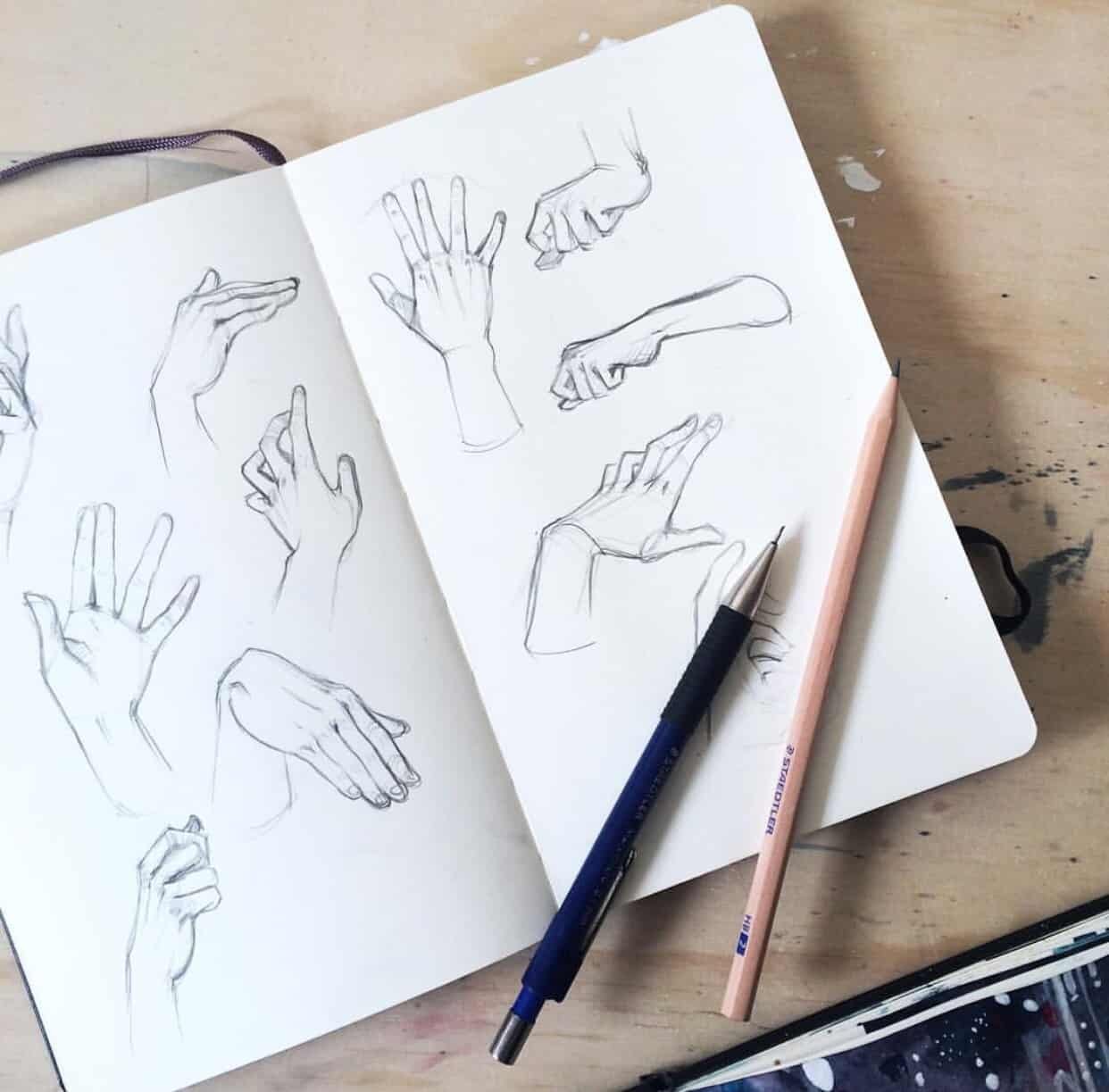
Enhance Your Drawing Skills: How To Improve Drawing Skills
Practice daily to enhance your drawing skills. Start by sketching realistic objects around you, focusing on details and proportions. Experiment with different techniques, such as shading and perspective, to add depth to your artwork. Joining drawing classes or online tutorials can also provide valuable guidance and inspiration. Remember, consistency and dedication are key to mastering the art of drawing. Explore various mediums and styles to broaden your creative horizons and improve drawing skills.

How to Improve Drawing Skills: A Step-by-Step Guide
Do you love to draw but want to take your skills to the next level? Whether you are a beginner or an experienced artist looking to refine your craft, there are various techniques and practices you can incorporate into your routine to improve your drawing skills. In this comprehensive guide, we will explore effective strategies to enhance your abilities and unleash your creativity through drawing.
The Basics of Drawing
Before delving into advanced techniques, it is essential to master the basics of drawing. Understanding fundamental concepts such as line, shape, form, and perspective will provide a solid foundation for your artistic development. Practice sketching simple shapes like circles, squares, and triangles to improve your hand-eye coordination and control over your utensils.
1. Practice Regularly
Consistency is key when it comes to improving your drawing skills. Set aside dedicated time each day to practice sketching and experimenting with different techniques. Whether you prefer pencil, charcoal, or digital tools, regular practice will help you become more comfortable and confident in your abilities.
2. Observe and Analyze
Take time to observe the world around you. Pay attention to details such as light and shadow, textures, and proportions. Analyzing everyday objects, landscapes, and people will enhance your observational skills and inspire new ideas for your drawings.
3. Study Anatomy and Proportions
To create realistic and dynamic drawings, it is crucial to have a basic understanding of anatomy and proportions. Study the human figure, animal anatomy, and facial features to improve your ability to capture the essence of your subjects accurately.
Techniques to Enhance Your Drawing Skills
Beyond mastering the basics, incorporating advanced techniques into your drawing practice can elevate the quality of your artwork and push your creative boundaries.
1. Experiment with Different Mediums
Explore a variety of drawing materials such as graphite pencils, charcoal, ink, colored pencils, and pastels. Each medium offers unique qualities and challenges that can help you expand your artistic repertoire and discover new ways to express yourself through drawing.
2. Practice Shading and Rendering
Mastering the art of shading is essential for creating depth and dimension in your drawings. Experiment with different shading techniques such as hatching, cross-hatching, stippling, and blending to add realism and visual interest to your artwork.
3. Learn Perspective Drawing
Understanding perspective is crucial for creating realistic scenes and compositions. Study one-point, two-point, and three-point perspective to create depth and spatial relationships in your drawings. Practice drawing simple architectural forms and landscapes to improve your perspective skills.
4. Develop Your Composition Skills
Composition plays a significant role in the overall impact of your drawings. Experiment with different compositions, framing techniques, and focal points to create visually compelling artwork. Consider elements such as balance, rhythm, and focal points to enhance the visual appeal of your drawings.
Tips for Building Confidence and Creativity
Building confidence and nurturing creativity are essential aspects of improving your drawing skills. Embracing experimentation, seeking inspiration from various sources, and learning from constructive feedback can help you grow as an artist.
1. Embrace Mistakes as Learning Opportunities
Don’t be afraid to make mistakes in your drawings. Mistakes are part of the learning process and can provide valuable insights into areas for improvement. Embrace your mistakes as opportunities to learn and grow as an artist.
2. Seek Inspiration from Diverse Sources
Drawing inspiration from different art styles, artists, cultures, and experiences can broaden your creative perspective and spark new ideas for your drawings. Visit art galleries, read books on art history, and explore various artistic disciplines to expand your artistic horizons.
3. Join Drawing Communities and Seek Feedback
Connecting with fellow artists and joining drawing communities can provide valuable support, encouragement, and feedback on your work. Sharing your drawings, participating in art challenges, and seeking constructive criticism can help you gain new insights and improve your drawing skills.
4. Set Goals and Track Your Progress
Setting specific drawing goals can help you stay motivated and focused on your artistic development. Whether you aim to master a new technique, complete a series of drawings, or participate in an art exhibition, establishing clear goals can propel your growth as an artist. Keep a sketchbook to track your progress and reflect on your achievements.
Improving your drawing skills is a rewarding journey that requires dedication, practice, and a willingness to step out of your comfort zone. By mastering the basics, exploring advanced techniques, and nurturing your creativity, you can elevate your artwork and unleash your full artistic potential. Remember, drawing is not just about creating visually appealing compositions but also about expressing your unique perspective and emotions through art. So, pick up your drawing tools, unleash your imagination, and embark on a creative adventure to enhance your drawing skills!
Give Me 7min, and I’ll improve your drawing skills by 176%
Frequently Asked Questions
What are some effective ways to practice drawing regularly?
To improve your drawing skills, it’s important to practice regularly. Set aside time each day to sketch or draw. Experiment with different subjects, styles, and techniques to keep challenging yourself and improving your skills. Consider joining art challenges or prompts to stay motivated and inspired.
How can studying anatomy and proportions help improve drawing skills?
Studying anatomy and proportions is essential for creating realistic and well-proportioned drawings. Take the time to learn about the human body’s skeletal structure, muscle groups, and proportions. Practice drawing figures from reference photos or life drawing sessions to enhance your understanding and improve your skills.
What role does receiving feedback play in enhancing drawing abilities?
Feedback is crucial for growth as an artist. Seek feedback from peers, mentors, or online art communities to gain insights into areas you can improve on. Be open to constructive criticism and use it as a tool for self-improvement. Reflect on feedback received and apply it to your future drawings to continue developing your skills.
Final Thoughts
Practice regularly, experiment with different techniques, and seek constructive feedback to enhance your drawing skills. Set specific goals, study from diverse sources, and stay committed to continuous improvement. Remember that improvement takes time, perseverance, and dedication. By consistently applying these strategies, you can steadily improve your drawing skills and see significant progress over time. Mastering the art of drawing is a rewarding journey that requires patience and a willingness to learn from mistakes. Embrace challenges, stay inspired, and enjoy the creative process of honing your craft.


