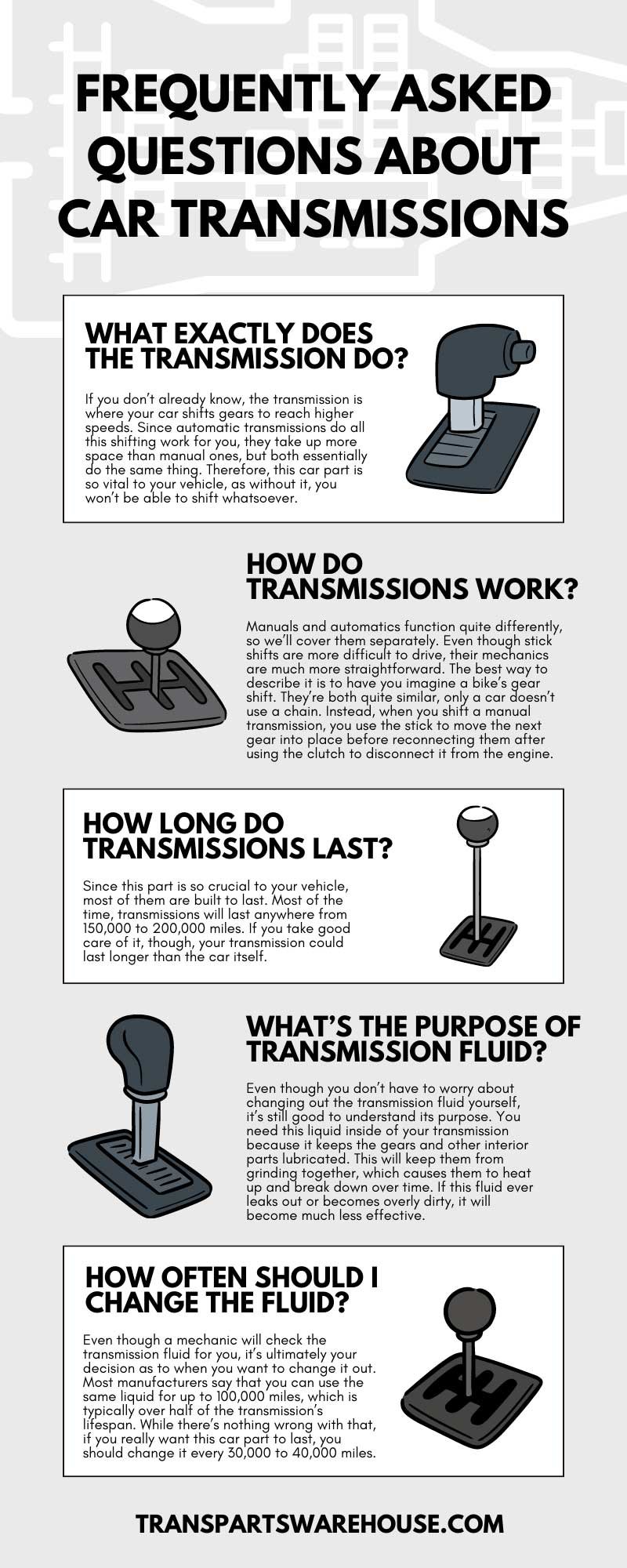
Exploring The Lifespan Of Transmissions: How Long Do Transmissions Last
Transmissions, the unsung heroes of our vehicles, endure a lot. So, how long do transmissions last? The answer isn’t straightforward, as various factors come into play. From driving habits to maintenance routines, every little detail can influence the lifespan of your transmission. Neglecting those fluid changes or pushing your vehicle beyond its limits may cut short its service life. Let’s dive deeper into the world of transmissions and unveil the secrets that determine their longevity. Are you ready to discover how to make your transmission last for the long haul?

How Long Do Transmissions Last: A Comprehensive Guide
Welcome, everyone, to our in-depth discussion on how long transmissions last! If you’ve ever wondered about the lifespan of this essential component in your vehicle, you’ve come to the right place. Buckle up as we dive into the world of transmissions and explore everything you need to know about their longevity.
The Role of Transmissions
Before we get into how long transmissions last, let’s first understand their importance. The transmission in your car is like the middleman between the engine and the wheels. It ensures that the right amount of power is delivered to your wheels to move the vehicle at various speeds. In simpler terms, without a transmission, your car wouldn’t be able to go forward or backward smoothly.
Factors Affecting Transmission Lifespan
Now, let’s talk about what can impact how long a transmission lasts. Several factors come into play when determining the lifespan of your transmission:
Driving Habits
Your driving habits play a significant role in how long your transmission will last. Aggressive driving, such as sudden acceleration and abrupt braking, can put extra strain on the transmission components, potentially shortening its lifespan. On the other hand, gentle driving and smooth gear transitions can help prolong the life of your transmission.
Maintenance
Regular maintenance is key to ensuring your transmission lasts as long as possible. Changing the transmission fluid at the recommended intervals, inspecting for leaks, and addressing any issues promptly can all contribute to a longer lifespan for your transmission.
Quality of Components
The quality of the transmission components also plays a role in how long it will last. A well-built transmission with high-quality parts is likely to have a longer lifespan compared to one with inferior components.
Driving Conditions
The driving conditions you encounter can also impact the longevity of your transmission. Stop-and-go city driving, frequent towing, or driving in extreme weather conditions can all put additional stress on the transmission, potentially leading to wear and tear.
Manufacturer Design
The design and quality of the transmission system by the manufacturer also influence how long it will last. Some vehicles are equipped with more durable transmissions that are built to withstand higher mileage, while others may be more prone to early wear and failure.
Typical Lifespan of Transmissions
So, how long can you expect your transmission to last? While there is no one-size-fits-all answer, most modern transmissions are designed to last between 150,000 to 250,000 miles with proper care and maintenance. However, some transmissions can fail earlier due to various reasons, while others can exceed this range with ease.
It’s essential to pay attention to any warning signs that your transmission may be failing, such as slipping gears, strange noises, or leaking fluid. Addressing these issues promptly can help prevent more extensive damage and potentially extend the lifespan of your transmission.
Increasing the Lifespan of Your Transmission
If you want to maximize the lifespan of your transmission, there are a few steps you can take:
Regular Maintenance
Follow the manufacturer’s recommended maintenance schedule for your transmission. This includes changing the fluid, inspecting for leaks, and ensuring all components are in good working order.
Driving Responsibly
Practice smooth driving habits to reduce strain on your transmission. Avoid sudden acceleration, abrupt braking, and unnecessary shifting between gears.
Monitor Your Transmission
Pay attention to any changes in how your transmission performs. If you notice unusual noises, slipping gears, or fluid leaks, take your vehicle to a professional for inspection and repair.
So, in conclusion, the lifespan of your transmission is influenced by various factors such as driving habits, maintenance, component quality, driving conditions, and manufacturer design. By understanding these factors and taking proper care of your transmission, you can help ensure it lasts as long as possible. Remember, a well-maintained transmission can keep you cruising smoothly on the road for many miles to come!
We hope this guide has shed light on the question of how long transmissions last and provided you with valuable insights into caring for this critical part of your vehicle. Safe travels, and may your transmission last for many adventures ahead!
How long do CVT Transmissions Last? – CVT Reliability
Frequently Asked Questions
How can I extend the lifespan of my transmission?
To extend the lifespan of your transmission, it is essential to follow the manufacturer’s recommended maintenance schedule. Regularly changing the transmission fluid, ensuring proper levels, and addressing any issues promptly can help prevent premature wear and extend the life of your transmission.
What are some signs that indicate my transmission might be failing?
Common signs of a failing transmission include strange noises such as whining or clunking, difficulty shifting gears, slipping gears, leaking fluid, and a burning smell. If you notice any of these signs, it is advisable to have your transmission inspected by a professional mechanic.
Can a transmission last the lifetime of a vehicle?
While transmissions are designed to be durable, it is rare for a transmission to last the entire lifetime of a vehicle without any issues. With proper maintenance and care, some modern transmissions can last upwards of 150,000 to 200,000 miles before requiring significant repairs or replacement. However, factors such as driving habits, maintenance history, and the quality of parts used can all impact the longevity of a transmission.
Final Thoughts
In conclusion, the lifespan of a transmission varies depending on factors like maintenance, driving habits, and quality of the transmission. On average, a well-maintained transmission can last around 150,000 to 200,000 miles. Regular servicing and fluid changes are key to prolonging its longevity. So, when wondering how long do transmissions last, remember that proper care and attention can significantly extend their lifespan.